Jude did not write, 'Contend for a better argument.' He did not write, 'Contend for a reformed calendar.' He wrote, 'Contend for the faith.' The faith — the whole thing, complete, once delivered, needing nothing added and tolerating nothing removed.

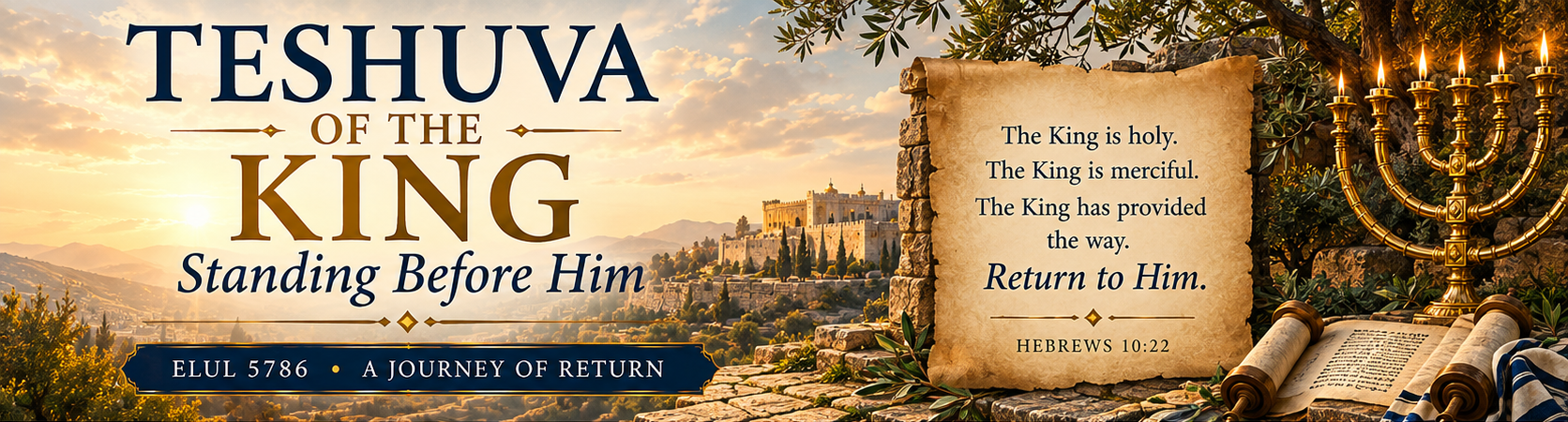
The journey of Teshuva does not end with Yom Kippur.
In fact, Yom Kippur points us somewhere.
It points beyond repentance, beyond confession, beyond judgment, and beyond atonement—to the presence of the King.
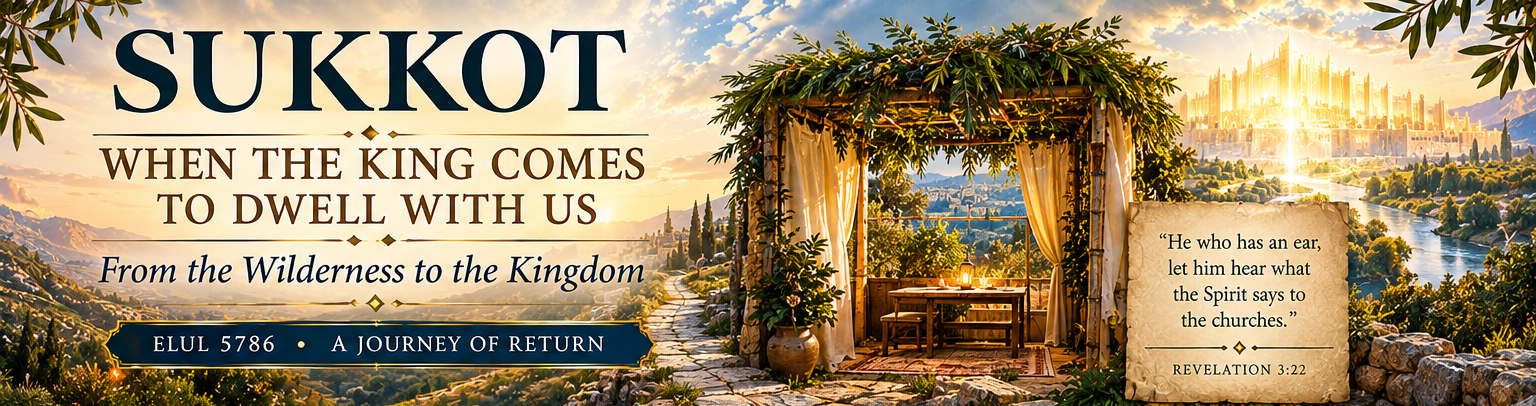
That is where Sukkot takes us.
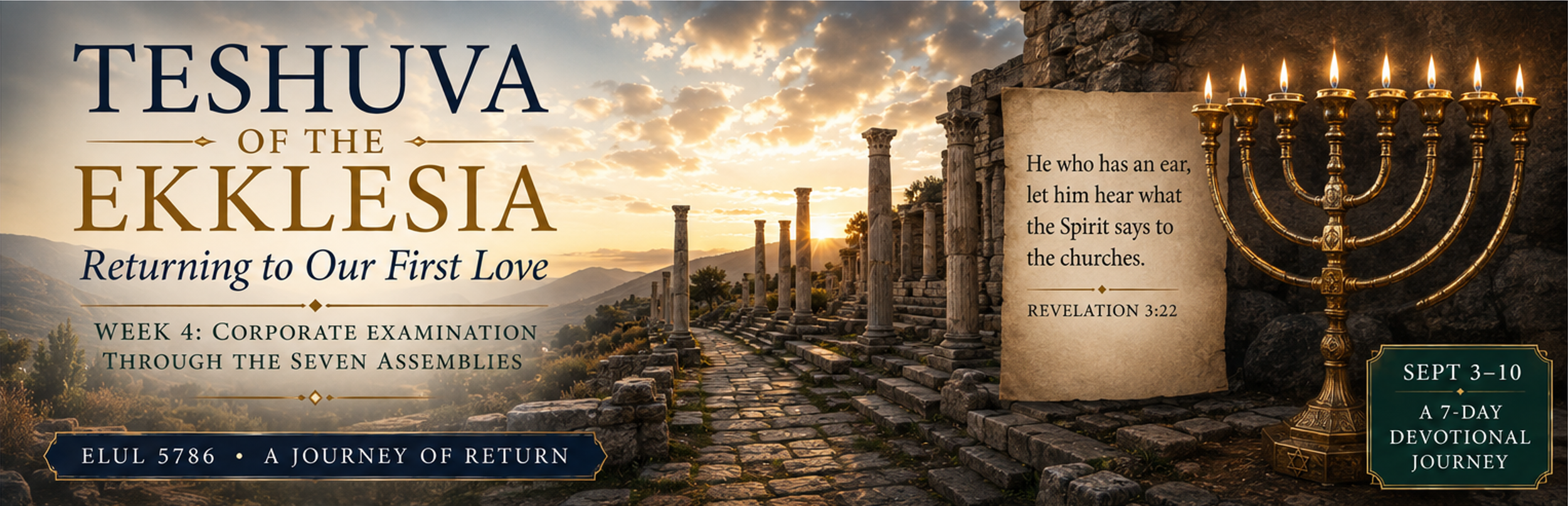
This final week is shorter than our earlier seven-day cycles, bringing us to Yom Kippur. We will move through five themes: the seriousness of sin, God's provision of atonement, the Messiah's saving work, the humility of standing before God, and the continuing life of faithful return.
But Teshuva does not permit us to stand across the street and critique the house.
If we belong to Yeshua, this is our house.
We began with our own location on the road of return. Last week we searched the inner rooms—the desires, defenses, words, idols, and explanations that can hide what is actually happening in the heart.
Now we cross the threshold.
Teshuva comes home.
Before examining our households, our congregations, Israel, or the nations, we stood where Adam stood and allowed God's question to become personal. Teshuva begins by telling the truth about where we are and then turning toward where God intended us to be.
Installment Six of The Faith Once Delivered is the most personal installment — and the most necessary one. Because the people I am asking to examine themselves deserve to see me examine myself first. The zeal that mistakes intensity for discernment. The righteous indignation that becomes its own form of idolatry. The information diet designed to feed and confirm what we already believe.
In A.D. 325, a Roman emperor wrote a letter. It was not a theological argument. It was a political decree. And it changed the Christian feast of Passover forever.
He called the Jewish people "that hostile crowd" and declared it "unworthy" for the church to follow their calendar. That single decision — grounded not in scripture but in ethnic contempt — severed the resurrection feast from the Hebrew calendar that gave it its meaning.