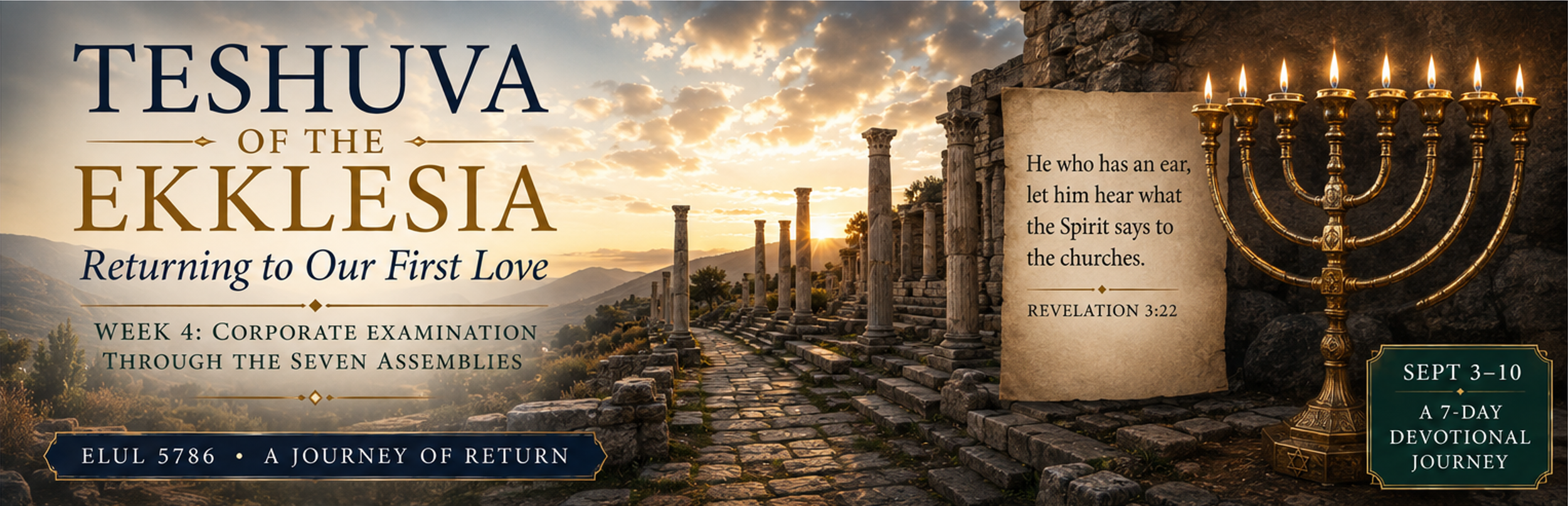
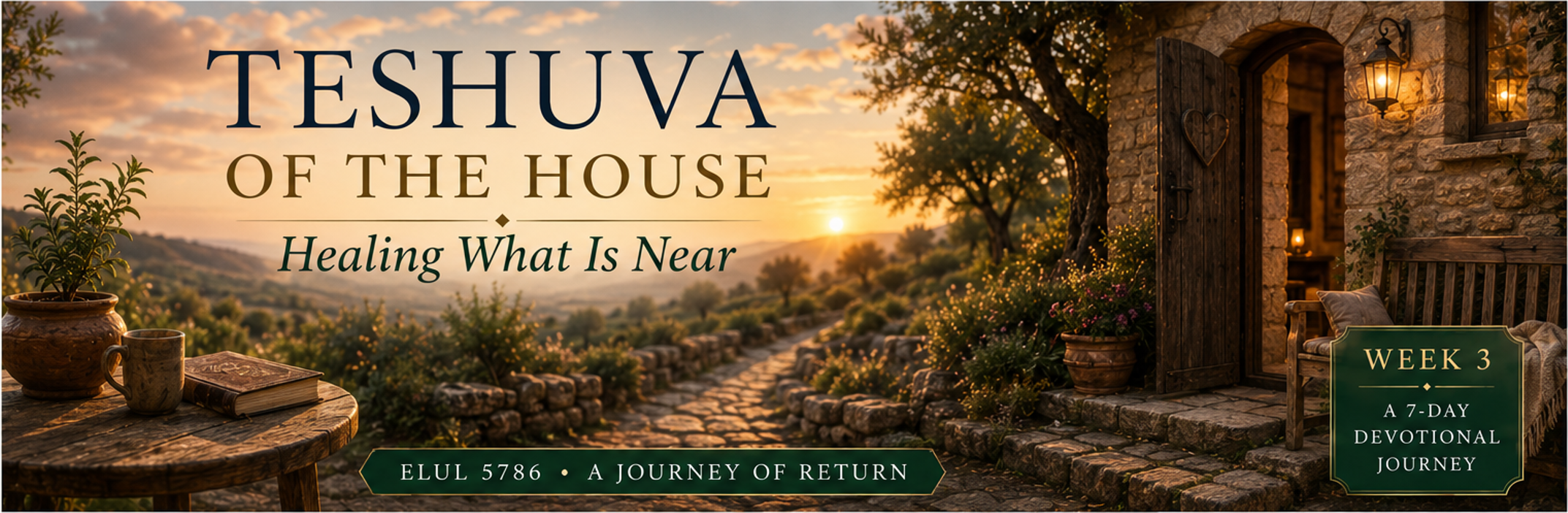
From Genesis to Revelation, Scripture tells the story of God reclaiming what belongs to Him.
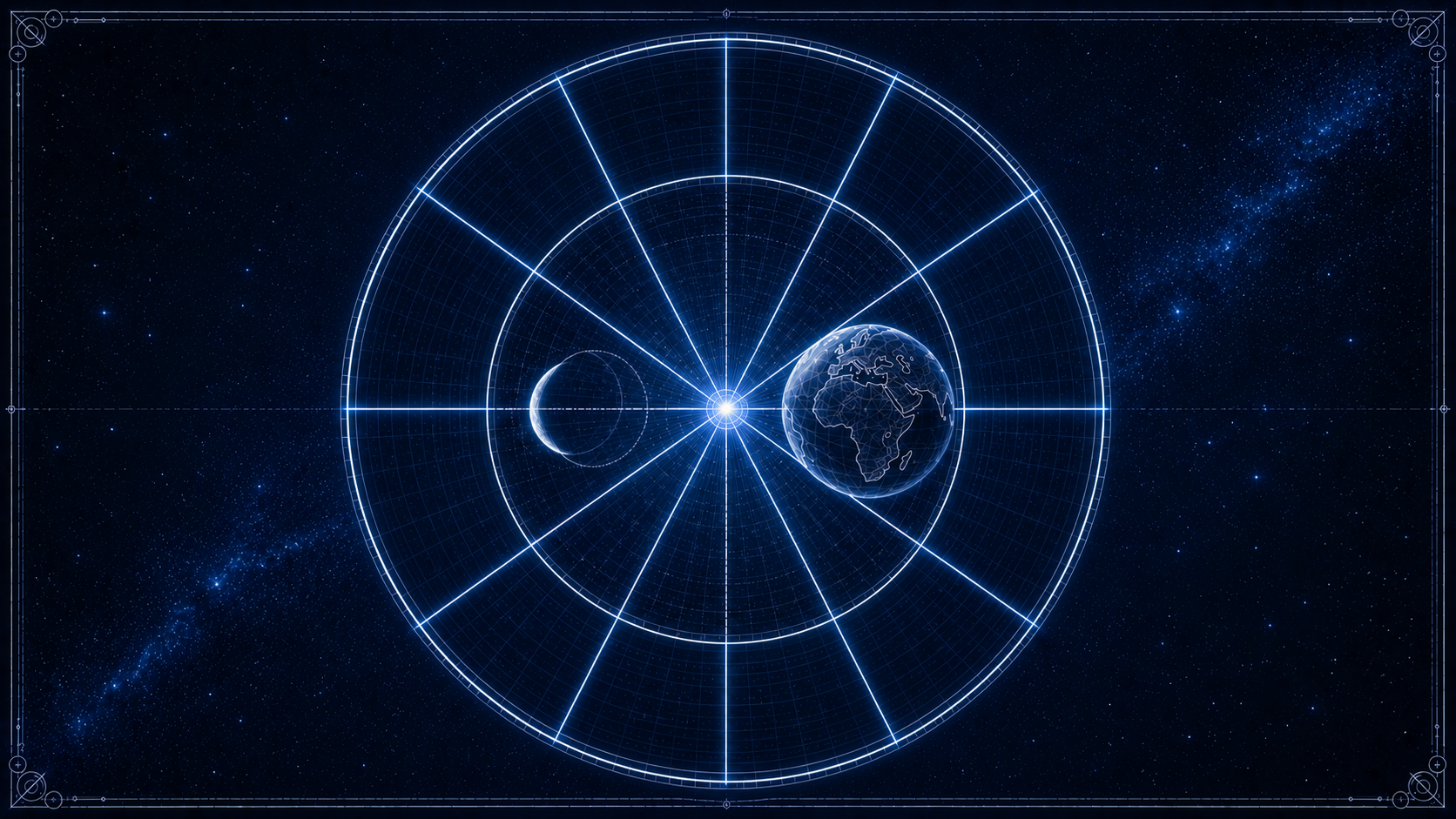
And at the center of that story stands something most believers have never been taught to see clearly:
God’s calendar.

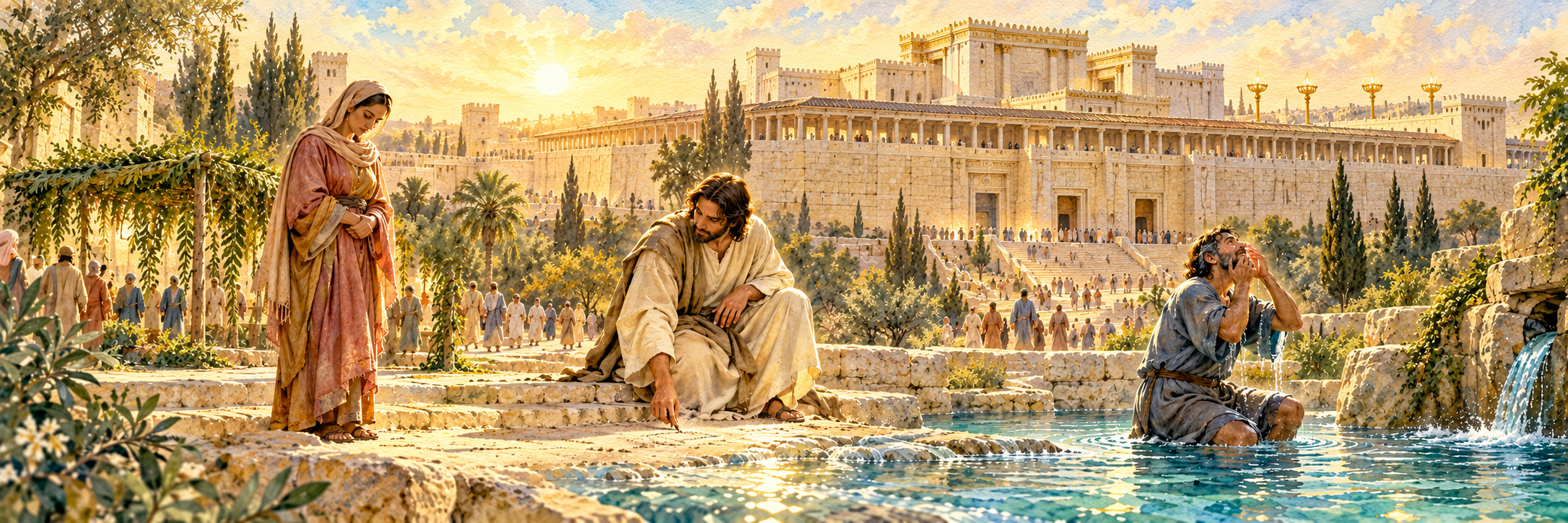
What might we discover in John 7–9 when we hear Yeshua’s words within the festival already surrounding Him? A Shemini Atzeret reflection on Sukkot, living water, restored sight, and the King whose righteous judgments reveal God’s purpose for His creation.
The journey of Teshuva does not end with Yom Kippur.
In fact, Yom Kippur points us somewhere.
It points beyond repentance, beyond confession, beyond judgment, and beyond atonement—to the presence of the King.
That is where Sukkot takes us.
This final week is shorter than our earlier seven-day cycles, bringing us to Yom Kippur. We will move through five themes: the seriousness of sin, God's provision of atonement, the Messiah's saving work, the humility of standing before God, and the continuing life of faithful return.
But Teshuva does not permit us to stand across the street and critique the house.
If we belong to Yeshua, this is our house.
We began with our own location on the road of return. Last week we searched the inner rooms—the desires, defenses, words, idols, and explanations that can hide what is actually happening in the heart.
Now we cross the threshold.
Teshuva comes home.