Aligning our lives with the first words in scripture.
First-Sentence perspective exists to help form and restore a Biblical worldview by exploring the Bibles’s original context, culture, and language. Through the first words of scripture, we gain a more accurate understanding of what we believe about God and the foundation of our faith.
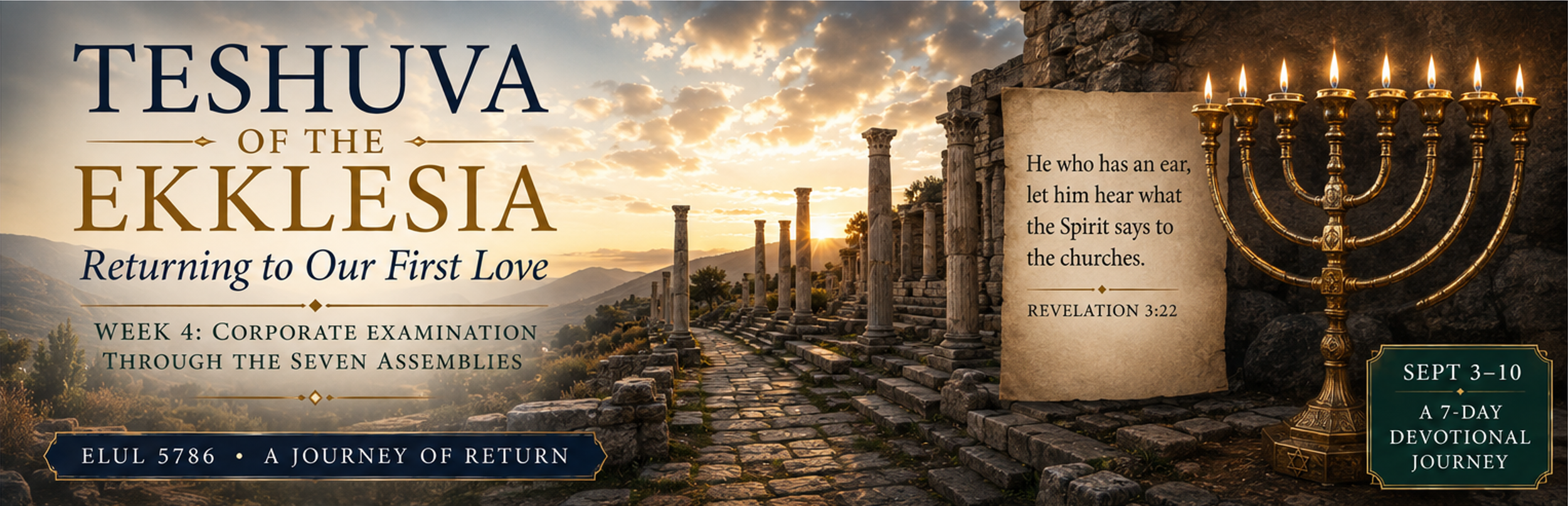
Then we gathered with the ekklesia, the assembly of Yeshua, and listened to what the Spirit says to the churches.
We have examined first love, faithfulness, compromise, truth, reputation, weakness, and prosperity. We have learned that Teshuva is not merely an individual exercise. It is also a corporate responsibility.
Now the circle widens again.
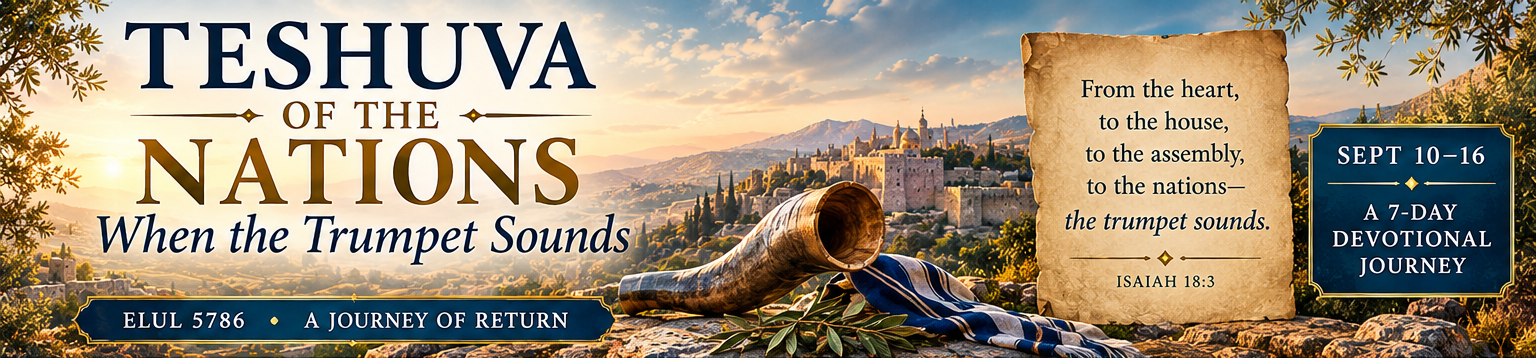
From the heart, to the house, to the assembly—and now to the nations.
The trumpet sounds.
This final week is shorter than our earlier seven-day cycles, bringing us to Yom Kippur. We will move through five themes: the seriousness of sin, God's provision of atonement, the Messiah's saving work, the humility of standing before God, and the continuing life of faithful return.
But Teshuva does not permit us to stand across the street and critique the house.
If we belong to Yeshua, this is our house.
We began with our own location on the road of return. Last week we searched the inner rooms—the desires, defenses, words, idols, and explanations that can hide what is actually happening in the heart.
Now we cross the threshold.
Teshuva comes home.
Before examining our households, our congregations, Israel, or the nations, we stood where Adam stood and allowed God's question to become personal. Teshuva begins by telling the truth about where we are and then turning toward where God intended us to be.
Elul is the signal to turn our attention Godward, because His appointed times, His moedim (Lev 23:1-4), are close now. One practical expression of that focus: …
From Genesis to Revelation, Scripture tells the story of God reclaiming what belongs to Him.
And at the center of that story stands something most believers have never been taught to see clearly:
God’s calendar.
Jude did not write, 'Contend for a better argument.' He did not write, 'Contend for a reformed calendar.' He wrote, 'Contend for the faith.' The faith — the whole thing, complete, once delivered, needing nothing added and tolerating nothing removed.

The journey of Teshuva does not end with Yom Kippur.
In fact, Yom Kippur points us somewhere.
It points beyond repentance, beyond confession, beyond judgment, and beyond atonement—to the presence of the King.
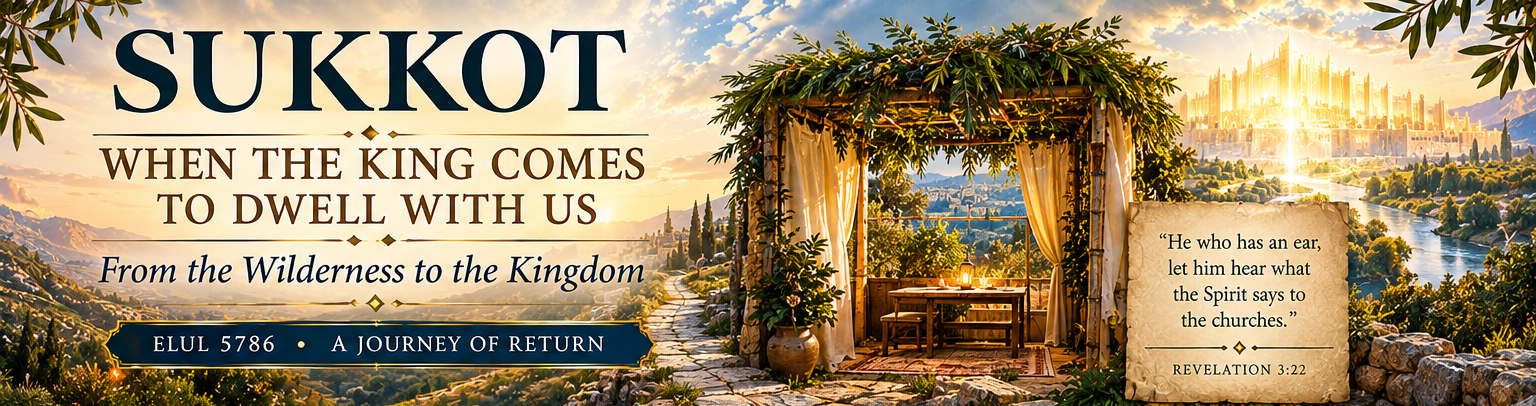
That is where Sukkot takes us.