But Teshuva does not permit us to stand across the street and critique the house.
If we belong to Yeshua, this is our house.

But Teshuva does not permit us to stand across the street and critique the house.
If we belong to Yeshua, this is our house.
We began with our own location on the road of return. Last week we searched the inner rooms—the desires, defenses, words, idols, and explanations that can hide what is actually happening in the heart.
Now we cross the threshold.
Teshuva comes home.
Before examining our households, our congregations, Israel, or the nations, we stood where Adam stood and allowed God's question to become personal. Teshuva begins by telling the truth about where we are and then turning toward where God intended us to be.
Elul is the signal to turn our attention Godward, because His appointed times, His moedim (Lev 23:1-4), are close now. One practical expression of that focus: …
From Genesis to Revelation, Scripture tells the story of God reclaiming what belongs to Him.
And at the center of that story stands something most believers have never been taught to see clearly:
God’s calendar.
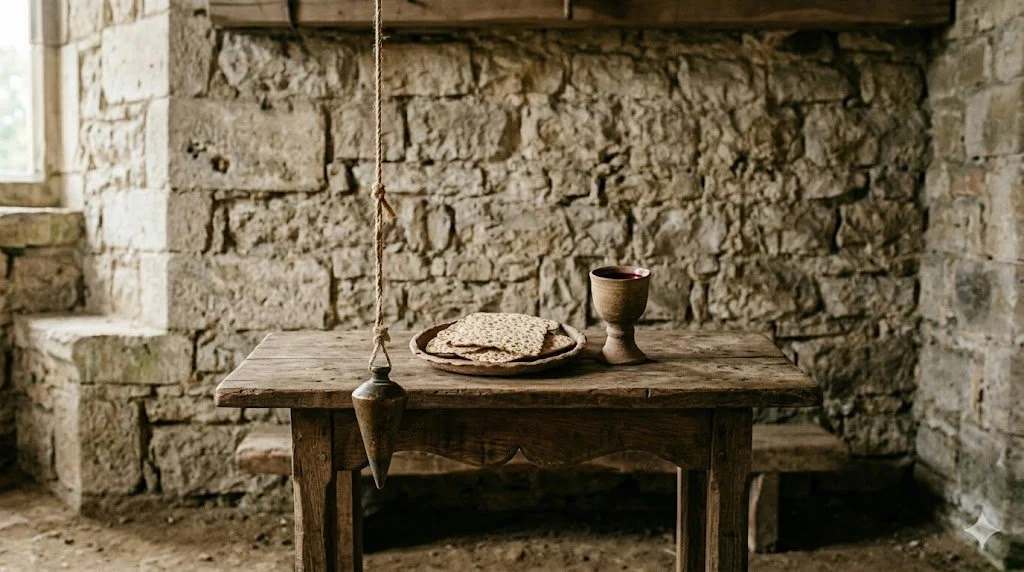
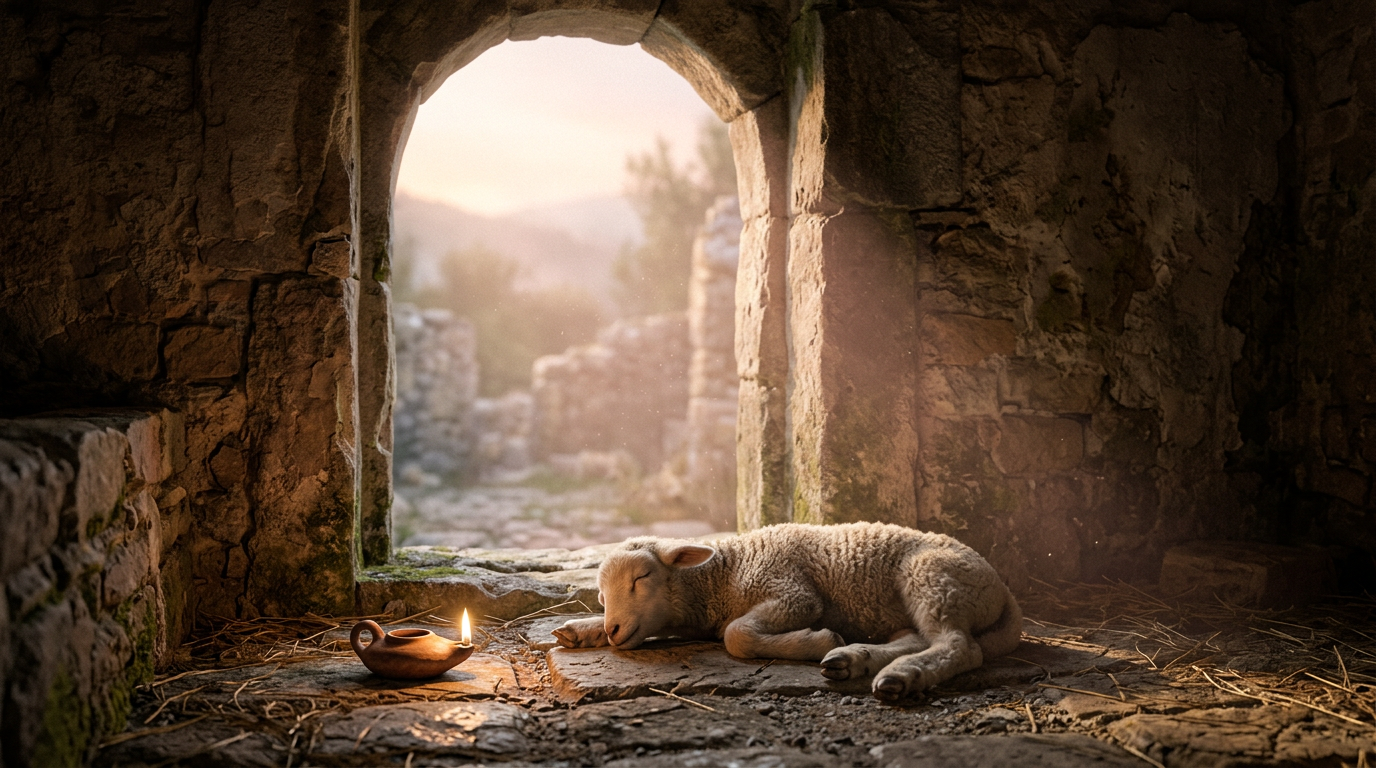
We have walked through the history, the shadows, and the symbols. We have measured the wall with the plumb line of the Tanach and cleared away the debris of centuries. But as the dust settles, we find ourselves standing before a quiet, garden tomb in the twilight mist of the third day.
If the powers of darkness had known—if they had truly understood the architecture of the Father’s heart—they never would have struck (1 Co 2:8). But they did. And in that moment of apparent defeat, the single act of history occurred by which the marred beginning was reversed.
Since the garden, all of creation was caught in a singular, terrifying momentum toward destruction. But at the empty tomb, that momentum was broken. The seal was not just moved; the curse was intercepted. Every story ever told—every longing for home, every hope for justice, every cry for life—was merely a rehearsal for this. All history prior flows toward and into that tomb; all history and hope following walked out of it.
This is the story the Passover was preparing us for. The One who brought order to the tohu vavohu of Ge 1:1 is the same Word who was with God and was God in the beginning (Jn 1:1-2). He stood in the gap to reverse the great fruit fiasco of Ge 3:15-16.
The Feasts of Yehoveh are not merely dates on a calendar; they are the spiritual nervous system of the restoration of all things.
Passover & Unleavened Bread: The substitutionary sacrifice has been made. Yeshua, our Passover Lamb, has been sacrificed (1 Cor 5:7). We were taken out of Egypt by His blood, and now, we enter the week of Unleavened Bread—the season where we yield our lives to Him as He removes the "Egypt" from our own hearts.
Firstfruits: The seed that was planted in the earth did not stay there. He is the Firstfruit from the dead (1 Cor 15:20), the proof that the harvest of humanity has begun. Because He rose, we know the harvest is sure.
Shavuot (Pentecost): Fifty days later, the Fire that descended on Sinai to give the Torah descended again to write that Torah on hearts of flesh (Ac 2:1-4, Jr 31:33). It is the empowerment to live as citizens of the Kingdom while still in the diaspora of this world.
Yom Teruah (Trumpets): We listen for the blast. It is the announcement of the King’s approach. The Risen One is the Returning One (1 Th 4:16).
Yom Kippur (Atonement): The day of final reckoning and covering, where the High Priest emerges from the Holy of Holies to declare that the dwelling place of God is finally, fully cleansed.
Sukkot (Tabernacles): The end of all stories. The Great Rehearsal for the day when the dwelling place of God is with man (Rv 21:3). The earth restored, the curse forgotten, the King in our midst.
Seven feasts, largely forgotten, hold the key to all we believe in and hope for by the Word of God.
I look at the empty tomb and I don't just see a historical fact; I see my own future. Because He rose, I know I will too. This reality demands more than my intellectual assent—it demands my alignment. I want my life to be a rehearsal for His Kingdom. I want the rhythm of my days to beat in time with the Feasts that proclaim His plan.
The "Faith Once Delivered" is not a burden to be carried; it is a Person to be followed. It is the clarity that when everything else falls away, He remains.
He is risen. The Lamb has conquered. The tomb is empty. The King is coming.
Let the heavens rejoice and the earth be glad, for the Firstborn from the dead has claimed His inheritance! We do not celebrate a faded memory; we rehearse a coming glory. To the Lamb who was slain and is now seated on the throne—to Him be the blessing, the honor, the glory, and the power, forever and ever!
Amen.
Installment Six of The Faith Once Delivered is the most personal installment — and the most necessary one. Because the people I am asking to examine themselves deserve to see me examine myself first. The zeal that mistakes intensity for discernment. The righteous indignation that becomes its own form of idolatry. The information diet designed to feed and confirm what we already believe.
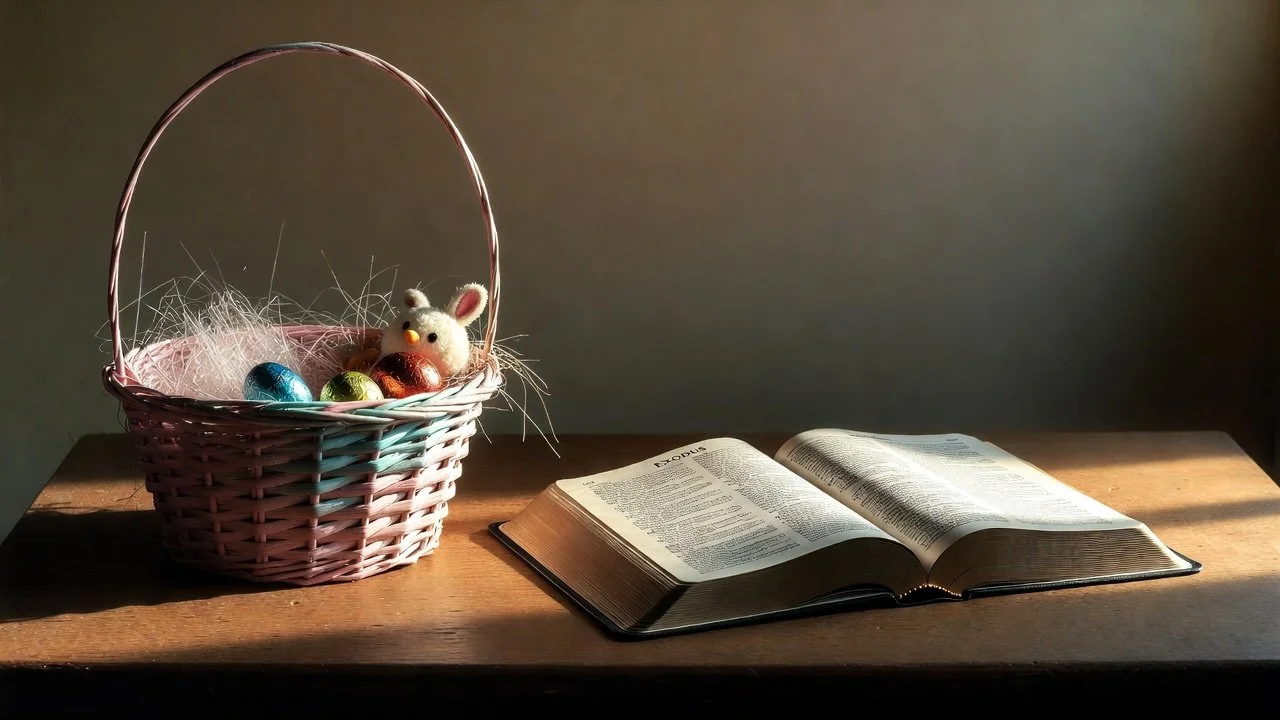
In A.D. 325, a Roman emperor wrote a letter. It was not a theological argument. It was a political decree. And it changed the Christian feast of Passover forever.
He called the Jewish people "that hostile crowd" and declared it "unworthy" for the church to follow their calendar. That single decision — grounded not in scripture but in ethnic contempt — severed the resurrection feast from the Hebrew calendar that gave it its meaning.
Around A.D. 160, a bishop in Sardis preached the oldest surviving sermon on the resurrection feast. No eggs. No bunnies. No seasonal sentimentality. Just this:
"I am your freedom. I am the Passover of your salvation. I am the lamb slaughtered for you. I am your ransom. I am your life. I am your light. I am your resurrection. I am your king."
In the annual progression of the Feasts, we observe a dramatic pause between the first three feasts and Pentecost. This interlude heightens the significance of the first four Feasts, which collectively commemorate Israel's miraculous redemption from Egyptian bondage by God's unmerited grace. They also foretell of a time when this same redemption would be offered to all the nations of the earth when the Lamb of God will reveal the meaning of the first Passover's lamb.
Here's a one paragraph excerpt:
In this insightful article, we embark on a profound exploration of the biblical feasts and their intrinsic connection to God's ultimate plan for humanity. Tracing the historical divergence between the Passover and Easter celebrations, we uncover the unfortunate disconnect that occurred when the early church, influenced by prevailing anti-Jewish sentiments, intentionally separated Easter from its Jewish roots at the Council of Nicaea in 325 CE. As we delve into the Summer Feast of Pentecost, we unravel its deep symbolism and continuity with God's promised plan, set in motion at creation itself. Through this illuminating journey, we are invited to rediscover the sacred calendar instituted by God, transcending cultural boundaries, and gain a renewed appreciation for these divinely appointed times that foreshadow the climactic events of the Apocalypse and the glorious return of Christ.