
From Genesis to Revelation, Scripture tells the story of God reclaiming what belongs to Him.
And at the center of that story stands something most believers have never been taught to see clearly:
God’s calendar.

But Teshuva does not permit us to stand across the street and critique the house.
If we belong to Yeshua, this is our house.
We began with our own location on the road of return. Last week we searched the inner rooms—the desires, defenses, words, idols, and explanations that can hide what is actually happening in the heart.
Now we cross the threshold.
Teshuva comes home.
Before examining our households, our congregations, Israel, or the nations, we stood where Adam stood and allowed God's question to become personal. Teshuva begins by telling the truth about where we are and then turning toward where God intended us to be.
Elul is the signal to turn our attention Godward, because His appointed times, His moedim (Lev 23:1-4), are close now. One practical expression of that focus: …
From Genesis to Revelation, Scripture tells the story of God reclaiming what belongs to Him.
And at the center of that story stands something most believers have never been taught to see clearly:
God’s calendar.
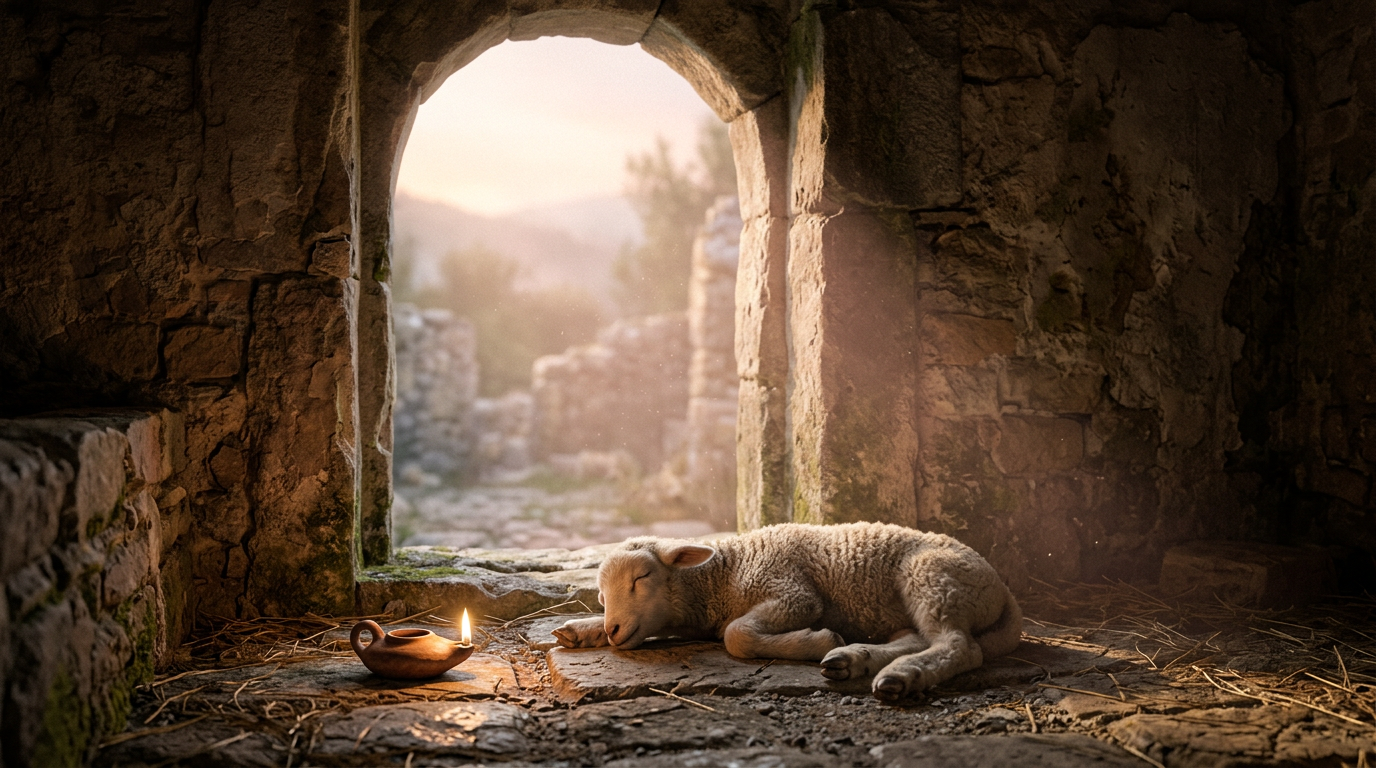
Around A.D. 160, a bishop in Sardis preached the oldest surviving sermon on the resurrection feast. No eggs. No bunnies. No seasonal sentimentality. Just this:
"I am your freedom. I am the Passover of your salvation. I am the lamb slaughtered for you. I am your ransom. I am your life. I am your light. I am your resurrection. I am your king."
The Genesis account is often read as an origins story. And that it is. As an origins story, it retells the ancient Mesopotamian and Egyptian myths couched in the god stories of the ancients. It corrects those accounts and reveals the One God who has always been the primal cause but whose priority has been let to drift in the memory of His creation. His creation had written its own counterfeit stories. Even yet, these myth stories had echoes of truth that God would now re-reveal to His Israelite prodigies on their way to inherit a promise He had set for them from the beginning.
Have you ever longed to see yourself as God sees you? To shed the cursed thinking that calls "evil" what He declared "good"? We just wrapped an epic 4-part journey following redemption threads from Genesis 1 into the ancient poetry that still sings over us today. From void to purpose spoken over all things, see how the God who creates and aligns is the God conforming us to Christ's image now. Listen as His grace untangles our striving and releases identity, freedom, and confidence to walk boldly in good works that reveal Jesus to the world. If you've struggled to stand firm in who you are or own the calling on your life, this glimpse behind the first words of Scripture may shift everything. Let it spark a revolution in how you embrace your God-crafted identity.
In this second installment, we delve into God's divine 'judgment' as a manifestation of His deep love for creation. The act of 'seeing' and declaring 'good'-ness in Genesis 1 sets the stage for understanding Jesus as the compassionate judge, mirroring the divine pattern. Explore how 'good' in God's eyes doesn't mean perfection but purpose, aligning with His original intent. Join us on this journey of divine alignment, human potential for 'good'-ness, and the redemptive grace found in Jesus.
Read more to uncover the profound implications of God's judgments and humanity's enduring potential for goodness, despite the impact of sin.
Join me on a four-part exploration of Genesis chapter 1 tracing a few key words in the creation narrative that reveal profound truths of God's character and purposes. In This Part 1, "God's ‘love’ Revealed," we will see that God ’saw’ His new creation, and fell in ‘love’ with all He had made. The writer of Genesis reveals creation in a 4-part pattern:
God ‘commands’ – “Let there be…, Let the ….”
God ‘sees’ – “God ’saw’ that it was …)
God ‘names’ – After each ‘Let there…’ is a name or description of what should be.
God ‘judges’ – As He ‘sees’ what He created, He judges it as ‘good.’
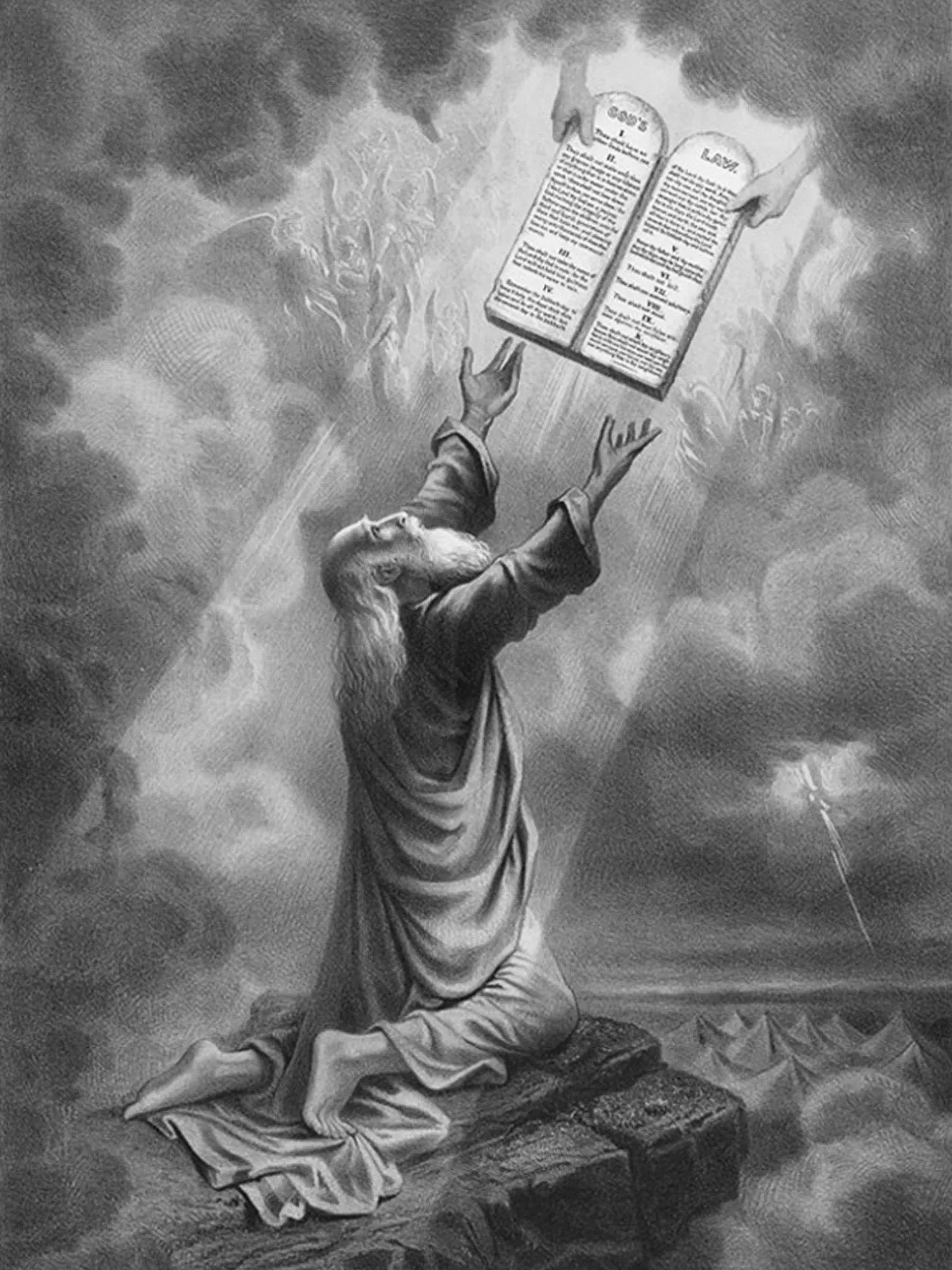
Moses receives a personal restoration to an F-S-P for his life in Exodus chapters 3 and 4. He is invited into the biggest God-event since the world-wide flood. He is to be sent as God's representative to accomplish God’s will in the earth and in the people whom God has chosen for the same purpose—the not-yet-existent nation of Israel.